01
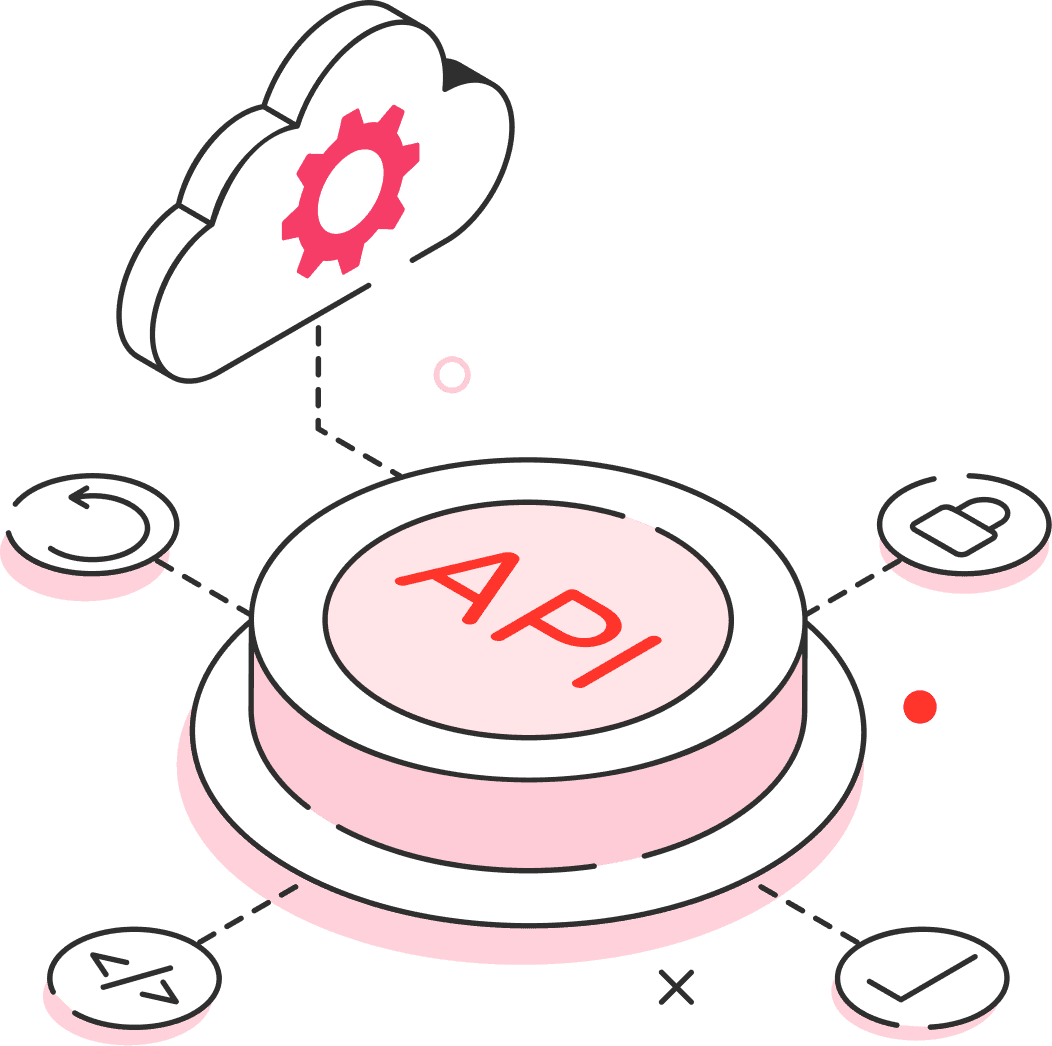
API-First by Design
Integration is not an afterthought
API-First Integration for Embedded Underwriting Workflows
Enables seamless integration of clinical intelligence into workflows through APIs for case management, automation, and structured delivery.
Case creation and lifecycle management
Referral automation
Status tracking and orchestration
Structured output delivery
Program-level configuration
This allows InsurMD to function as a composable infrastructure layer within modern underwriting environments.
02
Flexible Integration Models
Adaptable to different insurance company maturity levels
Flexible Integration Models for Different Deployment Needs
Supports API, hybrid, and low-lift approaches—allowing teams to start quickly and scale integration over time.
Deep API integrations
Fully embedded orchestration inside underwriting platforms or digital application flows.
Hybrid deployments
API-driven workflows combined with secure portals for human-in-the-loop processes.
Low-lift onboarding
Secure delivery channels that enable rapid pilots without heavy engineering investment.
This flexibility allows teams to start quickly and deepen integration over time.
03
Clean Case Lifecycle Management
From referral to delivery — fully observable
Fully Observable Case Lifecycle from Referral to Delivery
Provides real-time visibility into case progress through structured lifecycle events and status checkpoints.
Case initiation triggers
Identity and onboarding status
Authorization milestones
Retrieval progress indicators
Clinical review checkpoints
Output readiness events
This visibility enables underwriting operations teams to maintain full situational awareness across active cases.
04
Structured Data Outputs
Built for machine consumption
Structured Outputs Designed for System Integration
Delivers machine-ready data formats for seamless ingestion into underwriting systems, pipelines, and analytics tools.
Structured JSON payloads
Normalized clinical tables
Metadata-rich document bundles
Annotated medical records
Insurance companies-specific schema mappings
This enables seamless ingestion into underwriting engines, data pipelines, and analytics environments.
05
Designed for Underwriting Systems
Integration with real-world insurance company stacks
Designed to Integrate with Existing Underwriting Systems
Works seamlessly with current platforms and tools, adapting to existing workflows without requiring operational changes.
Underwriting workbenches
Policy administration platforms
Case management systems
Data lakes and risk models
Reinsurance data exchanges
Rather than forcing workflow change, InsurMD adapts to existing operational patterns.
06
Event-Driven Workflows
Enabling modern orchestration patterns
Event-Driven Integration for Real-Time Workflow Orchestration
Enables automated actions, dynamic routing, and real-time updates through lifecycle events and webhook notifications.
Trigger underwriting actions automatically
Route cases dynamically
Update internal dashboards
Notify operations teams in real time
Event-driven integration helps insurance companys reduce manual coordination overhead.
07
Configurable Output Schemas
Aligning with your underwriting logic
Configurable Output Schemas Aligned with Underwriting Logic
Adapts data structures to match program needs, reducing the need for downstream transformation.
Accelerated underwriting schemas
High-face-value clinical depth profiles
Reinsurance reporting formats
Internal scoring model inputs
This ensures outputs align with your decisioning frameworks rather than forcing transformation downstream.
08
Secure Integration Layers
Enterprise-grade connectivity
Secure Integration Layers for Enterprise Connectivity
Implements strong access controls, encryption, and isolation to enable safe integration within regulated environments.
Authenticated API access controls
Encrypted transport layers
Scoped data access permissions
Environment isolation
Integration auditability
This allows insurance companys to integrate confidently within regulated environments.
09
Scalable for High-Volume Programs
Built for throughput, not prototypes
Built to Scale for High-Volume Underwriting Programs
Supports large case volumes, parallel processing, and multi-program deployments as operations grow.
High referral volumes
Parallel case processing
Multi-program deployments
Horizontal scaling across regions
The platform is designed to grow alongside distribution expansion and underwriting automation initiatives.
10
Rapid Pilot-to-Production Path
Start small, scale intentionally
Seamless Transition from Pilot to Full Deployment
Enables quick pilots with controlled testing and gradual integration to reduce risk and validate value early.
Fast sandbox provisioning
Controlled pilot cohorts
Output validation loops
Gradual integration deepening
This reduces integration risk while allowing stakeholders to validate value early.
11
Collaboration with Technical Teams
Built for real enterprise onboarding
Collaborative Integration with Enterprise Technical Teams
Supports smooth onboarding through clear documentation, aligned design, and transparent data flow mapping.
Clear technical documentation
Integration design alignment
Security review readiness
Transparent data flow mapping
This ensures smoother onboarding and faster time-to-value.
12
Interoperability Across the Risk Stack
Connecting insurance companys, reinsurers, and partners
Interoperability Across Insurance companiess, Reinsurers, and Partners
Enables shared data, consistent artifacts, and reduced duplication across the underwriting ecosystem.
Cleaner data handoffs to reinsurers
Consistent clinical artifacts across partners
Reduced duplication of record retrieval
Shared visibility into case context
This interoperability becomes increasingly valuable in multi-party underwriting ecosystems.
13
Future-Proof by Architecture
Built for evolving underwriting models
Architecture Built for Evolving Underwriting Models
Supports ongoing changes with adaptable schemas, real-time decision layers, and integration with emerging technologies.
Continuous schema evolution
Integration with emerging underwriting AI models
Real-time decision support layers
Expanding data enrichment capabilities
This ensures the platform remains aligned with where underwriting is going — not where it has been.